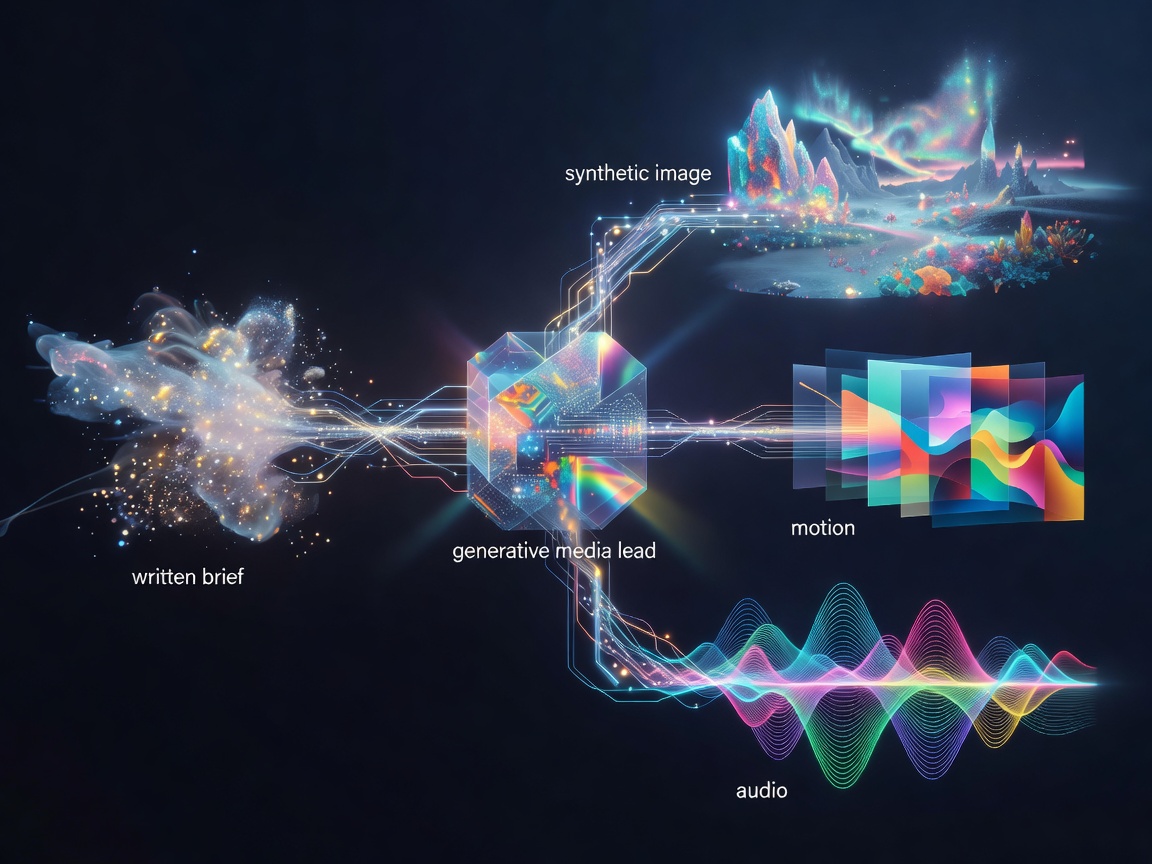
Different modalities, different controls
Text-to-image systems map prompts into images; image editing may alter or extend supplied material; video generation adds motion and temporal consistency; speech synthesis generates or transforms audio. These workflows overlap, but a prompt that works for a still image does not automatically provide control over a sequence, voice or edit. Adobe’s generative features, Stability AI’s image-generation work and other systems illustrate a broad ecosystem rather than a single interchangeable tool category.
Capability and access change over time. Instead of relying on a permanent ranking, assess the precise workflow: how the system handles reference images, masks, aspect ratio, camera movement, duration, voice direction, revisions and export. A compelling sample is not proof that the same result can be reproduced consistently.
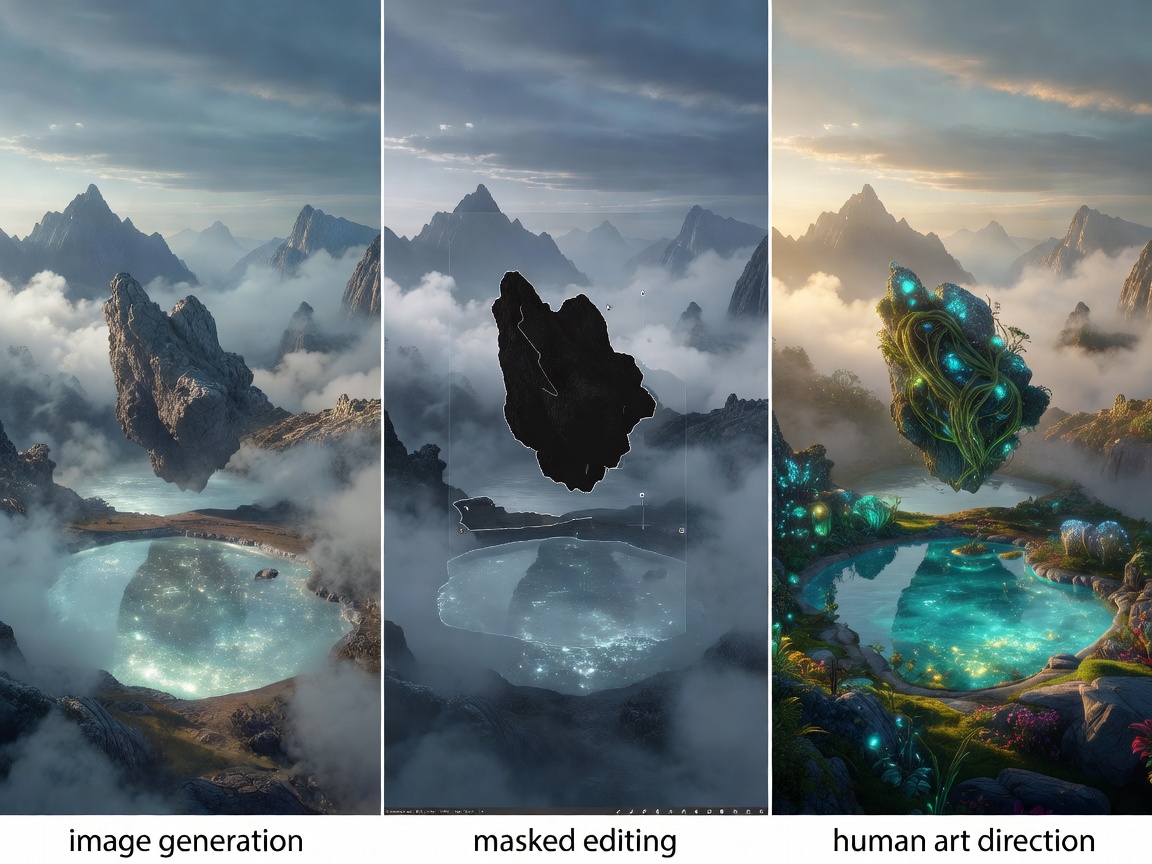
Prompting is only one part of direction
Prompts establish intent, but many useful results come from iteration and selection. For image generation, define composition, subject relationships, lighting and negative constraints in ordinary production language, then inspect anatomy, text, spatial logic and edge details. For image editing, keep a source copy and make changes in bounded passes so you can compare what shifted.
Consistency is a separate problem. A character, object or visual style can drift across generations. Reference inputs, seeds or other controls may help where offered, but they do not guarantee identical results. Plan for curation, compositing and conventional editing rather than expecting one prompt to deliver a finished asset.
Motion and sound add continuity questions
Video generation must make successive frames cohere. Objects can morph, details can flicker and requested movement may not match the intended timing. Review a clip across its full duration, not just the opening frame. For an edit, consider whether generated footage can be cut, captioned and mixed cleanly alongside recorded material. Rights and release requirements remain relevant even when a source image or clip is synthetic.
Audio generation brings its own decisions: intelligibility, pronunciation, pacing, emotional tone and the relationship between voice and background sound. Speech synthesis should not be mistaken for a real person’s consent or participation. Avoid deceptive impersonation, and ensure audiences are not misled about synthetic media where disclosure is appropriate or required.
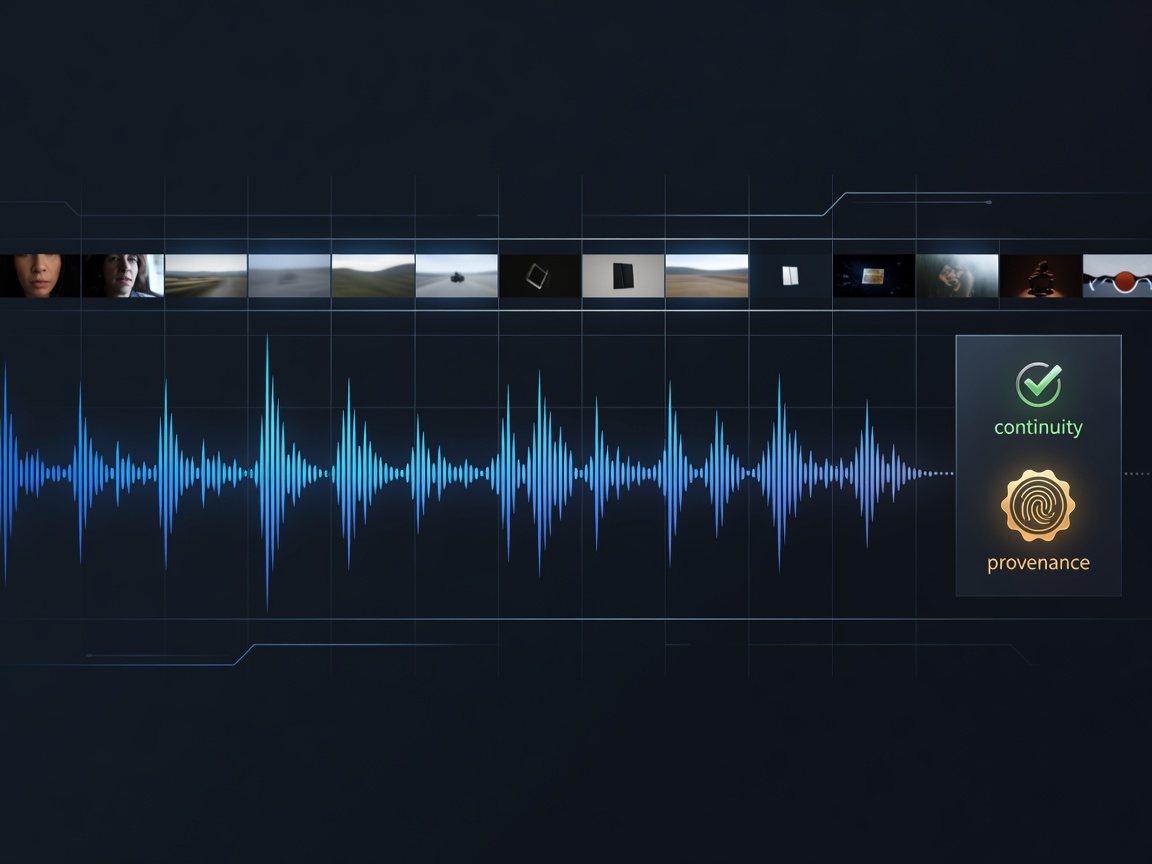
Provenance, rights and release checks
Provenance describes information about where media came from and how it was made or changed. Standards and initiatives such as C2PA aim to support content provenance through attached assertions and credentials. Such signals can be useful, but their presence, absence or integrity should not be treated as a universal verdict on authenticity. A workflow still needs to document source materials, permissions, edits and review decisions.
Check the terms that apply to your particular service, account and intended use. Consider training-data and output policies, third-party rights, privacy, confidentiality, attribution requirements and any rules governing a client or publication. Do not assume that generated content is automatically free of rights concerns or that a platform’s terms settle every question in every jurisdiction.
A useful selection checklist
- Can the system create the target format, duration and aspect ratio?
- Can you guide edits with references, masks, layers or timeline controls?
- How much variation appears between repeated generations?
- Can you export and revise assets in your existing tools?
- What provenance, rights and disclosure checks will the finished work need?
Budget time for rejection and finishing. If precise brand details, factual diagrams or readable typography matter, conventional design tools and human review may be more dependable than direct generation. An AI output can be a useful draft, visual exploration or component—not necessarily a complete deliverable.
Select generative media tools by controllability and revision fit, then keep provenance, permissions and human quality checks inside the production plan.
For multimodal assistants that accept and interpret media, see the assistant guide. To explore broader model capabilities and robotics, continue to emerging AI.