
Multimodality is more than a feature list
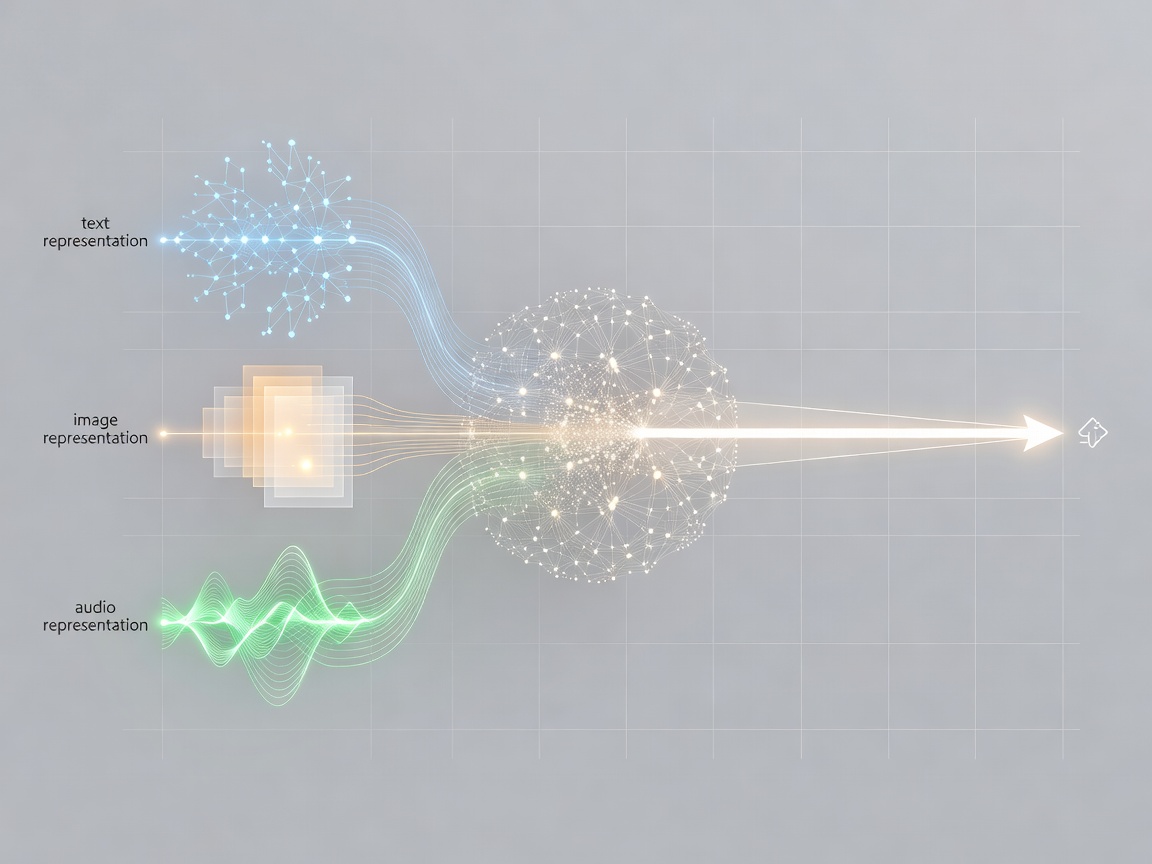
Multimodal models work with more than one kind of input or output, such as text, images, audio and video. Integrating modalities can make interactions more natural and connect language with perception. Yet an interface that accepts a picture does not necessarily reason robustly about every visual detail. Evaluation should distinguish recognition, grounding, temporal understanding and the ability to communicate uncertainty.
Research organisations and technology companies, including Google DeepMind, OpenAI, Meta and academic groups, publish work across these areas. Their announcements describe specific systems and settings, not automatic evidence that every capability is broadly available or reliable. Look for task definitions, evaluation methods, limitations and independent replication before generalising from a demonstration.
Agents are software systems, not just models
An AI agent typically combines a model with instructions, tools, memory or state, and a loop that selects actions based on results. In practice, “agent” is used for a wide range of designs, from a bounded tool call to a multi-step workflow. The important questions are what the system can access, how it decides to continue, when a person approves actions and how errors are detected or reversed.
Longer action sequences create compounding uncertainty: a small misread early on may steer later steps. Robust deployment calls for narrow permissions, observable actions, timeouts, safe defaults and meaningful escalation. A system that can send messages, modify records or run code needs stronger controls than one that only drafts a suggestion. For developers, compare these patterns with our guide to AI coding workflows.
Robotics meets embodied uncertainty
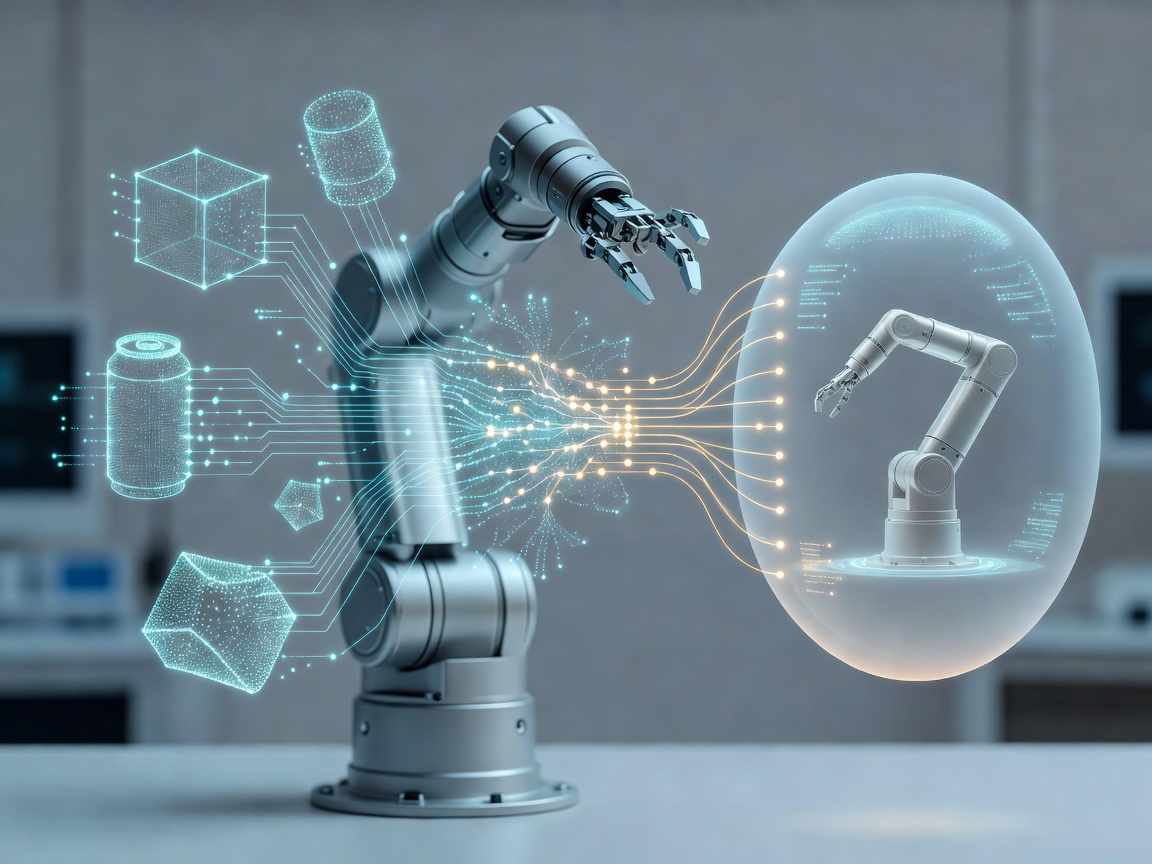
Robotics connects perception and planning to physical action. Unlike a text response, a robot’s action unfolds in a changing environment with friction, occlusion, delays and safety constraints. Progress in computer vision, manipulation and language-conditioned control may improve the way machines interpret instructions, but transfer from a controlled demonstration to varied real-world settings remains difficult.
Evaluate a robotics claim by asking which hardware, environment and task were used; what counted as success; how often human intervention was needed; and what happened when the scene changed. A video can show possibility, not operational reliability. Physical deployment also requires risk assessment, fallback behaviour and safeguards appropriate to the setting.
On-device inference and scientific applications
On-device AI runs some inference locally on a phone, computer or specialised hardware. Potential benefits include responsiveness and reduced need to send certain inputs to a remote service; trade-offs include memory, energy, model size and update constraints. A “local” workflow may still use network services for other functions, so inspect the actual architecture and privacy disclosures rather than inferring the full data path from one feature.
In science, machine learning can assist with pattern recognition, prediction and search across large or complex datasets. Such systems can help prioritise hypotheses or accelerate parts of analysis, but they do not replace experimental validation, domain expertise or reproducible methods. The central question is whether the model supports a measurable research task and whether its output can be independently checked.
How to separate a durable direction from a demo
- Find the task definition and operating conditions, not just a headline description.
- Separate model capability from the surrounding software, data and hardware.
- Look for evaluation that reflects real use, failure cases and human intervention.
- Check permissions, privacy boundaries and safety controls before deployment.
- Ask whether an independent team could reproduce or verify the result.
AI platforms evolve quickly, and no single launch establishes a lasting ranking. Track what changes in the workflow: new inputs, better grounding, local execution or bounded action. Then ask what evidence supports reliability for the particular task that matters.
Emerging capability becomes useful when it is paired with task-specific evaluation, control of access and a credible path to checking failures.
For the user-facing layer, explore AI assistants; for media generation and provenance, read the generative media guide. To examine source-grounded answers, visit AI search.